My first hunting knife was a gift from my grandfather a simple carbon steel blade that he’d carried through decades of wilderness adventures. I didn’t understand then that the metal itself would teach me more about survival than any outdoor manual ever could.
That old knife became my classroom. During my early hunting trips in the Tennessee backcountry, I learned quickly that blade steel wasn’t just a technical specification it was the difference between confidence and concern when you’re miles from civilization.
The Carbon Steel Lesson
My grandfather’s knife was 1095 carbon steel, though I didn’t know that terminology at first. What I knew was that it could take an edge sharper than anything I’d experienced. After processing my first deer with that blade, I understood why hunters had trusted carbon steel for generations. The edge bit through hide and sinew with minimal effort, and when it dulled, a few passes on a whetstone brought it back to razor sharpness.
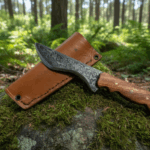
But carbon steel demanded respect. After a rainy October hunt, I made the mistake of leaving the knife in its leather sheath overnight. The next morning, I discovered rust blooming along the blade’s edge. My grandfather smiled when I showed him, not with judgment but recognition. “Steel teaches patience,” he said, handing me an oil cloth. That lesson stuck. Carbon steel blades require partnership they give exceptional performance, but they ask for care in return.
The Stainless Discovery
Years later, a friend convinced me to try a stainless steel hunting knife for a week-long elk hunt in Colorado. I was skeptical. The blade felt different in my hand more refined, less raw than my trusted carbon steel companion. But as we pushed through rain, snow, and the kind of weather that makes you question your life choices, that stainless steel blade never complained.
I could wipe it clean and return it to the sheath without the constant worry of corrosion. The edge didn’t hold quite as long as my carbon steel knife, but it held long enough. And when conditions were harsh when my hands were numb and my focus was on survival rather than knife maintenance that corrosion resistance became invaluable.
The stainless steel taught me that different blade materials serve different purposes. It wasn’t better or worse than carbon steel it was simply designed for different priorities.
High-Performance Steel Revelation
My introduction to modern high-performance steels came during a guided hunt where the outfitter carried a knife made from S30V steel. I’d heard the term before but dismissed it as marketing hype. Then I watched him process an entire elk without stopping to sharpen. The blade just kept cutting.
Later, around the campfire, he explained that advanced blade steels like S30V represented decades of metallurgical research. These materials balanced edge retention, toughness, and corrosion resistance in ways that traditional steels couldn’t match. The molecular structure itself was engineered for performance.
I was intrigued but cautious. These high-end steels came with premium prices. Was the performance worth the investment? That question followed me home.
Finding My Steel
Over the following seasons, I experimented. I carried different knives on different hunts, paying attention to how each blade material performed under real conditions. I learned that steel selection wasn’t about finding the “best” material it was about matching the blade to the mission.
For extended wilderness trips where I might not have ideal sharpening tools, I reached for my carbon steel blade. Its ability to take an edge from almost any rough stone gave me confidence. For shorter hunts in wet conditions, stainless steel made sense. And for that once-in-a-lifetime hunt where everything needed to be perfect, I invested in a knife with premium steel that could handle whatever the wilderness threw at it.
The Forging Connection
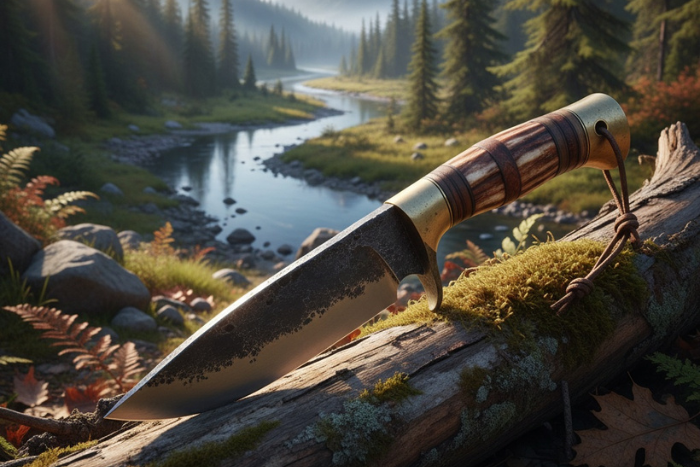
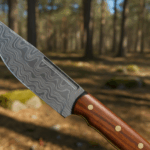
What truly changed my understanding was meeting a knife maker who specialized in hand-forged blades. Watching him work the steel, explaining how heat treatment and forging techniques could transform the same base material into blades with vastly different characteristics, I realized that blade steel was only part of the equation.
The maker’s skill, the forging process, the heat treatment all these factors influenced how that steel performed in the field. A well-crafted knife from modest steel could outperform a poorly made blade from premium material.
Lessons from the Field
Through years of hunting and countless hours in the backcountry, I’ve learned that understanding blade steel types isn’t about memorizing technical specifications. It’s about recognizing that every steel makes compromises. Carbon steel gives you that incredible edge but demands maintenance. Stainless steel offers convenience but might not hold an edge quite as long. Premium steels deliver exceptional performance but require investment.
The wilderness doesn’t care about specifications. It cares about whether your knife works when you need it. I’ve seen expensive knives fail and budget blades exceed expectations. The difference usually came down to matching the right blade material to the task and understanding what that steel needed from its owner.
Choosing Your Steel
Today, when someone asks me about knife steel selection, I don’t start with chemistry or hardness ratings. I ask about their hunting style, their maintenance habits, and their environment. A coastal waterfowl hunter needs different steel characteristics than a Rocky Mountain elk hunter. Someone who enjoys the ritual of blade care might thrive with carbon steel, while someone who wants reliability without fuss might prefer stainless.
The best blade steel is the one that matches your needs and your willingness to care for it. My grandfather’s carbon steel knife still hangs in my gear room, its patina telling stories of decades in the wilderness. Next to it hangs my modern stainless blade and my premium steel hunting knife. Each has earned its place through performance when it mattered.
Understanding blade steel isn’t about finding perfection it’s about finding partnership. The right steel becomes an extension of your skill, reliable when conditions get tough, and trustworthy when there’s no room for equipment failure. That’s the lesson the wilderness taught me, one hunt at a time.
About JWBS Knives
JWBS Knives provides exceptional hand-forged knives, delivering quality craftsmanship and precision engineering for knife enthusiasts and professionals.
Contact JWBS Knives:
Ready to Find Your Perfect Blade? – Contact JWBS Knives today!