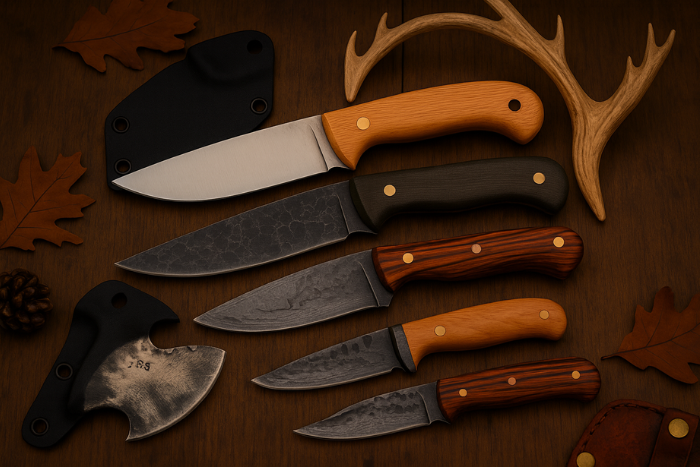
For many collectors, a knife collection is more than a row of blades on a shelf it is a living reflection of years of passion, patience, and careful selection. Each knife carries its own story, from the first custom order to the rare piece discovered after months of searching. But even the finest knives can lose their edge, develop rust, or suffer damage if they are not cared for properly throughout the year. Seasonal care for your knife collection is one of the most important habits a serious collector can develop, because temperature changes, humidity, and everyday handling all affect how long a blade will last and how well it will perform.
As the weather shifts from warm, humid summers to cooler, drier winters, your knives experience those changes right along with you. Steel reacts to moisture and temperature, handle materials expand and contract, and leather sheaths can dry out or absorb humidity. That is why knife maintenance is not a one-time task – it is an ongoing process that should adjust slightly with each season. By understanding how different conditions affect your blades, you can build a simple routine that keeps your knife collection in top condition whether it is July, October, or January.
One of the biggest enemies of any blade is rust. Even high-quality steels can develop corrosion if they are exposed to moisture, fingerprints, or damp storage conditions. In the warmer months, especially in areas with higher humidity, rust prevention for knives becomes even more important. A light coat of oil on the blade, regular wipe-downs after handling, and storing knives in a dry environment all help protect the metal. Collectors who live in humid climates often use silica gel packs or dehumidifiers in their storage cabinets to reduce moisture in the air. Seasonal care means paying attention to how the climate in your home changes and adjusting your routine accordingly.
Handles deserve just as much attention as blades. Many custom knives feature natural materials like wood, bone, or antler, which can react to seasonal changes in temperature and humidity. In the winter, indoor air often becomes drier, which can cause wooden handles to shrink or develop small cracks if they are not cared for properly. A simple part of seasonal knife care is checking handles a few times a year and applying a suitable conditioner or oil when needed. This helps keep the material nourished and reduces the risk of damage over time. Synthetic handle materials are generally more stable, but they still benefit from regular cleaning to remove dirt, sweat, or oils from your hands.
Storage is another key part of knife collection care throughout the year. Many collectors like to display their knives, but leaving blades out in the open can expose them to dust, moisture, and accidental contact. During more humid seasons, it may be better to store knives in a closed cabinet, drawer, or case where conditions can be more easily controlled. If you use leather sheaths, it is usually best not to store knives inside them for long periods, especially in warm or damp weather. Leather can hold moisture against the blade, increasing the risk of rust. Instead, consider storing the knife and sheath separately, and make sheath care part of your seasonal knife maintenance routine as well.
Sharpening and edge care also benefit from a seasonal approach. Some collectors like to schedule a full knife sharpening session at the beginning or end of each season. This habit ensures that every blade gets regular attention, and it gives you a chance to inspect each knife closely. Tiny chips, rolled edges, or small spots of discoloration are easier to address when you catch them early. A sharp knife is not only more functional – it is also safer to handle. Dull blades require more force to use and are more likely to slip. Whether you prefer stones, guided systems, or professional sharpening, building regular edge care into your seasonal routine keeps your collection ready for display and use.
Cleaning is another simple but powerful part of knife maintenance that changes slightly with the seasons. After outdoor use in the fall or winter – whether that is camping, hunting, or general carry knives may pick up moisture, dirt, or organic material that needs to be removed. A gentle cleaning with mild soap and water (followed by thorough drying and oiling) can prevent long-term damage. For knives that are primarily display pieces, dusting and wiping them down a few times each season keeps them looking sharp and prevents grime from building up in small details or engravings.
As seasons change, it is also a good time to take inventory of your knife collection and check for any developing issues. Lay out your knives on a clean surface and look at each one carefully. Are there any small rust spots forming near the guard or along the spine? Has a handle pin shifted slightly? Does a folding knife feel stiffer than it used to when opening and closing? These small signs can be early warnings that a bit of extra knife maintenance is needed. Addressing them promptly is usually much easier and less expensive than waiting until the problem becomes more serious.
Another important aspect of seasonal care for your knife collection is thinking about how often you handle each blade. Oils and salts from your skin can leave marks on steel if they are not wiped away. During warmer months, when hands may be more prone to sweat, it is especially important to clean knives after handling. A soft microfiber cloth and a light coat of protective oil go a long way toward preventing corrosion. For collectors who like to show their knives to friends or fellow enthusiasts, keeping a cloth nearby and making a quick wipe-down part of the routine is a simple but effective habit.
For many collectors, knives are not just display pieces – they are tools that see real use in the field, in the kitchen, or in the workshop. That means seasonal knife maintenance should also consider how each blade is used. A hunting knife that sees heavy use in the fall may need extra attention before being stored for the winter. A favorite everyday carry knife might need a deeper cleaning and lubrication after a dusty summer. Matching your care routine to the way each knife is used helps extend its life and preserves its performance.
Working with a trusted maker or professional can also help you make better decisions about knife collection care. Custom makers understand how their knives are built, what steels and handle materials they use, and how those materials respond to different conditions. If you are unsure about the best oil, storage method, or cleaning approach for a particular piece, asking for guidance can prevent accidental damage. Serious collectors know that good information is just as important as good tools when it comes to protecting their investment.
At JWBS Knives, the focus is on creating blades that are meant to last – not just as tools, but as pieces of functional art. Seasonal care is what allows that craftsmanship to shine year after year. By paying attention to humidity, temperature, storage, sharpening, and cleaning, collectors can keep their knives looking and performing their best in every season. A thoughtful routine does not have to be complicated or time-consuming. It simply needs to be consistent and tailored to the unique needs of your collection.
Contact JWBS Knives
JWBS Knives creates custom hand forged knives for collectors, outdoor enthusiasts, and anyone who appreciates quality craftsmanship and functional design.
Contact Information: Phone: 615-406-6370
Email: Info@jwbsknives.com
Website: https://jwbsknives.com
Facebook: https://www.facebook.com/JWBSForgesknives/
Instagram: https://www.instagram.com/jwbsknives/
If you are ready to add a new piece to your collection or want to discuss the best care practices for your next custom knife, reach out to JWBS Knives today.