The world of knife collecting has evolved into a sophisticated pursuit that attracts enthusiasts from every walk of life. Whether you’re a seasoned collector with decades of experience or someone just beginning to explore the fascinating realm of rare knife designs, understanding what makes certain blades valuable, desirable, and worth pursuing is essential to building a meaningful collection.
Custom knife collecting has transformed from a niche hobby into a serious investment avenue, with some pieces appreciating significantly in value over time. The appeal of collecting exceptional knives extends far beyond mere functionality it encompasses artistry, history, craftsmanship, and the personal stories embedded within each blade. For collectors, the pursuit of rare and unique knife designs represents a journey of discovery, where each acquisition tells a story of the maker’s vision, the blade’s heritage, and the collector’s own evolving taste and expertise.
Understanding the nuances of knife design, recognizing quality craftsmanship, and knowing where to find exceptional pieces are skills that separate casual admirers from serious collectors who build collections of genuine value and significance. The investment of time and resources into building a quality collection pays dividends in both personal satisfaction and potential financial returns.
The Foundation of Serious Collecting
The foundation of any serious knife collecting endeavor begins with education. Before you invest significant time and resources into acquiring rare pieces, you must understand what makes certain knife designs valuable and sought after. Several factors contribute to a knife’s collectibility: the maker’s reputation and skill level, the rarity of the design, the quality of materials used, the historical significance of the piece, and the condition of the blade.
Handmade knife designs from respected artisans command premium prices because they represent years of accumulated skill, experimentation, and refinement. A knife created by an established master craftsman carries inherent value that factory-produced blades simply cannot match. The custom blade craftsmanship evident in each piece tells a story of dedication and expertise that resonates with serious collectors.
Additionally, limited production runs or one-of-a-kind pieces become more valuable as time passes, especially if the maker’s reputation continues to grow. Understanding these principles helps collectors make informed decisions about which pieces deserve space in their collections and which represent sound investments for the future. Taking time to study the market and learn from experienced collectors accelerates your development as a knowledgeable buyer.
Understanding Knife Design Rarity
Rarity in knife design comes in several forms, each contributing differently to a blade’s desirability and value. Some knives are rare because the maker produced only a limited number before retiring the design or passing away. Others are rare because they represent experimental designs that pushed the boundaries of what was possible at the time.
Still others are rare simply because they were ahead of their time designs that weren’t widely appreciated when first created but have since gained recognition as visionary works of knife craftsmanship. Limited edition releases from established makers create immediate collectibility because enthusiasts know that once the run ends, no more will be produced. Prototype knives or one-of-a-kind commissions represent the ultimate in rarity, as they exist nowhere else in the world.
Understanding the story behind a knife’s rarity why it was made, how many were produced, what makes it unique adds depth and meaning to your collection. A truly rare knife isn’t just valuable because it’s scarce; it’s valuable because that scarcity reflects something meaningful about the maker’s vision or the blade’s historical significance. Collectors who understand these distinctions make better acquisition decisions and build more valuable collections.
The Role of Maker Reputation
The reputation of the knife maker stands as perhaps the single most important factor in determining a blade’s collectibility and investment potential. Established custom knife makers with decades of experience and a proven track record command significantly higher prices than unknown or new makers, even if the technical quality appears similar. This premium reflects the maker’s demonstrated commitment to excellence, their innovation within the craft, and the market’s confidence that their work will retain or increase in value.
Collectors study maker biographies, examine their body of work over time, and track how their designs have evolved. Some makers become legendary figures within the collecting community, with their pieces becoming heirlooms passed down through generations. The most sought-after knife designs often come from makers who have contributed significantly to the evolution of knife-making techniques or who have developed signature styles instantly recognizable to experienced collectors.
Building relationships with respected makers or acquiring pieces from their most productive and innovative periods can yield collections of genuine significance and value. Following a maker’s career trajectory helps collectors identify the best pieces to pursue and understand market trends within the collecting community.
Material Quality and Blade Steel
The materials used in a knife’s construction directly impact both its functionality and its collectibility. Premium blade steel represents one of the most critical factors in determining a knife’s quality and desirability. Collectors understand that certain steel compositions offer superior edge retention, corrosion resistance, and aesthetic qualities that justify premium pricing.
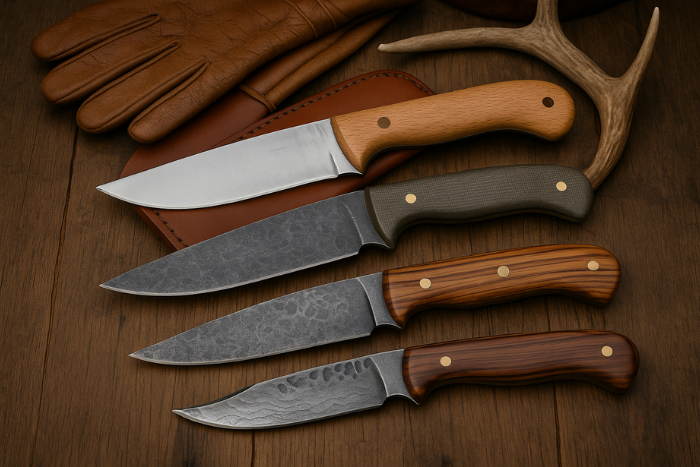
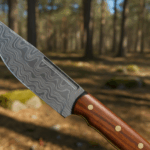
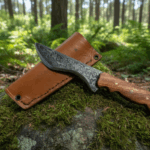
High-carbon stainless steels, Damascus patterns, and exotic alloys represent the upper echelon of blade materials, commanding premium prices from serious collectors. The handle materials also matter significantly exotic woods, rare bone, precious metals, or innovative composites all contribute to a knife’s uniqueness and appeal. A truly exceptional custom knife design combines superior blade steel with equally impressive handle materials, creating a piece that is both beautiful and functional.
Collectors often specialize in particular steel types or handle materials, building focused collections that showcase the range of possibilities within their chosen specialty. Understanding material science and how different compositions affect a blade’s performance and longevity helps collectors make informed acquisition decisions and appreciate the technical excellence of exceptional pieces.
Historical Significance and Provenance
Some knives become collectible because of their historical importance or the documented provenance surrounding their creation. Knives with clear lineage those that can be traced back to their original maker and original owner carry additional value and appeal that transcends the physical object itself.
Vintage knife designs from specific periods or makers often become more valuable as those makers pass away or retire, as the supply becomes permanently fixed. Knives used by notable individuals, featured in historical events, or representing important innovations in knife-making techniques attract collectors interested in owning pieces of history. Documentation proving a knife’s authenticity and history significantly increases its value.
Collectors prize pieces that come with maker’s marks, serial numbers, or original paperwork establishing their provenance. The story of a knife where it came from, who owned it, how it was used adds immeasurable value beyond the physical object itself. Building a collection with strong historical narratives creates a collection that tells stories and educates viewers about the evolution of knife-making and design throughout history.
Building a Focused Collection
Successful collectors typically focus their efforts rather than attempting to collect everything. Some collectors specialize in particular knife types hunting knives, kitchen knives, or tactical designs. Others focus on specific makers or regional traditions. Still others collect based on blade steel types, handle materials, or design periods.
This focus allows collectors to develop deep expertise within their chosen area, making them better equipped to recognize quality, spot undervalued pieces, and understand market trends. A focused collection also tells a coherent story, making it more meaningful and valuable than a random assortment of pieces. Whether your focus is on rare knife designs from a specific maker, knives representing particular knife-making techniques, or pieces from a specific historical period, having a clear collecting philosophy helps guide acquisition decisions and creates a collection with genuine significance.
Evaluating Condition and Authenticity
When acquiring pieces for your collection, condition and authenticity are paramount concerns. Examine blades carefully for signs of use, damage, or restoration. Original condition pieces command premium prices, while heavily used or restored knives may be worth significantly less. Verify authenticity by studying maker’s marks, construction techniques, and materials.
Familiarize yourself with the specific characteristics of pieces you’re interested in, as counterfeits and misattributions do exist in the collecting world. Request documentation, certificates of authenticity, or maker verification when possible. Building relationships with reputable dealers and makers ensures access to authenticated pieces and protects your investment. Understanding how to evaluate condition distinguishing between honest patina and damage comes with experience and study. Serious collectors often consult with experts before making significant acquisitions, ensuring they’re investing in genuine, high-quality pieces.
The Investment Potential of Knife Collecting
While passion for knife craftsmanship should be the primary motivation for collecting, the investment potential of rare and unique pieces shouldn’t be ignored. Well-chosen collections have demonstrated appreciation over time, particularly pieces from established makers or historically significant designs. Limited production runs, maker retirements, and increasing recognition of knife-making as a legitimate art form all contribute to appreciation potential.
However, like any collectible, success requires knowledge, patience, and a long-term perspective. Collectors who focus on quality, rarity, and maker reputation tend to build collections that maintain and increase in value. Those who chase trends or acquire indiscriminately may find their collections stagnate or depreciate. The most successful collectors balance their passion for the craft with sound investment principles, acquiring pieces they genuinely love while remaining confident in their long-term value.
About JWBS Knives
JWBS Knives specializes in custom hand-forged blades that combine traditional craftsmanship with modern design. Each knife represents a commitment to quality, precision, and functional artistry.
Contact JWBS Knives: