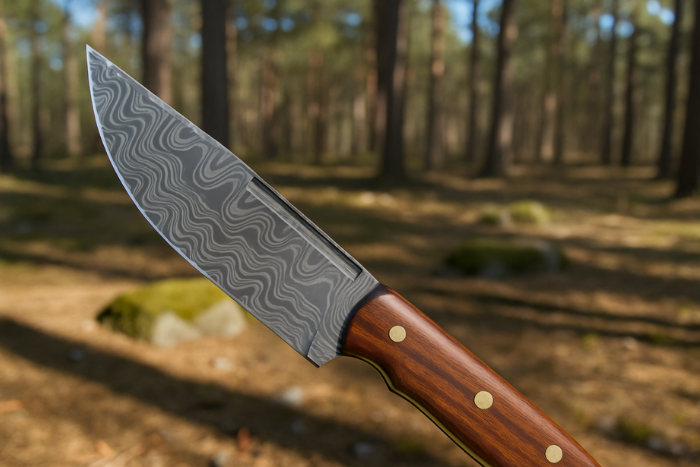
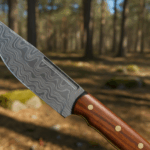
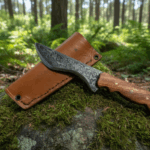
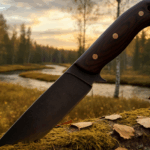
The rhythmic sound of hammer striking hot steel echoes through a blacksmith’s workshop, a sound that has remained virtually unchanged for centuries. This is the heart of knife forging a craft that transforms raw metal into functional art through skill, knowledge, and dedication. Understanding knife forging techniques provides insight into why hand-forged blades command respect among knife enthusiasts, collectors, and professionals alike. The process of creating a custom knife through traditional forging methods is far more complex than most people realize, and each technique contributes to the final blade’s performance, durability, and aesthetic appeal. For those who appreciate quality craftsmanship, knife forging represents the pinnacle of blade-making artistry.
Knife forging is fundamentally different from other blade manufacturing processes. While mass-produced knives are often stamped from sheet metal, hand-forged knives are created by heating steel to extreme temperatures and then shaping it through repeated hammer blows. This ancient technique, refined over generations, creates a blade with superior strength and character that cannot be replicated through modern manufacturing shortcuts. The forging process aligns the steel’s grain structure in ways that stamping simply cannot achieve, resulting in blades that are not only sharper but also more resistant to breaking or chipping. When you hold a hand-forged knife, you’re holding the result of a craftsman’s intimate understanding of metal behavior and traditional blacksmith techniques. The difference between a forged blade and a stamped blade becomes immediately apparent to anyone who has used both.
The Art of Heat Control in Forging
Temperature control is absolutely critical in knife forging. A skilled bladesmith must heat the steel to precisely the right temperature hot enough to be workable but not so hot that the metal loses its structural integrity. This temperature, typically between 1,100 and 1,300 degrees Fahrenheit depending on the steel type, is where the metal becomes malleable enough to shape without cracking. Experienced knife makers can judge temperature by color alone, reading the subtle shifts from cherry red to bright orange to yellow. This intuitive understanding comes only from years of practice and dedication to the craft. Getting the temperature wrong can result in a brittle blade or one that won’t hold an edge, making this skill absolutely fundamental to successful knife forging. The relationship between heat and steel is one of the most important lessons any bladesmith must master.
Drawing Out: Shaping the Blade
One of the primary forging techniques is called “drawing out,” where the bladesmith uses repeated hammer strikes to elongate and thin the steel. Starting with a thick piece of metal, the smith carefully strikes the heated steel, gradually working it into the desired blade shape. Each strike must be precise and controlled, with the hammer face striking at the correct angle to move the metal in the intended direction. This process requires incredible skill and spatial awareness. The bladesmith must visualize the final blade shape and work methodically toward that goal, making micro-adjustments with each strike. Drawing out is where much of the character of a hand-forged blade is established, as the craftsman’s technique directly influences the blade’s final geometry and performance characteristics. This foundational technique separates master bladesmiths from novices.
Tapering and Point Formation
Creating a proper point on a forged knife requires specialized forging techniques that most people never consider. The bladesmith must carefully taper the blade toward the tip while maintaining proper blade geometry and balance. This is particularly important for hunting knives and tactical knives, where the point must be sharp, strong, and precisely angled. The process involves strategic hammer placement and careful heating cycles to ensure the point doesn’t become too thin and brittle. A poorly formed point can fail under stress, making this aspect of knife forging absolutely critical to the blade’s functionality. Master bladesmiths have spent decades perfecting their point-forming techniques, and this expertise is evident in every blade they produce. The quality of the point determines how well the knife performs in real-world applications.
Beveling: Creating the Cutting Edge
The bevel the angled surface that creates the cutting edge is established during the forging process through careful hammer work. Different blade types require different bevel angles, and the bladesmith must maintain consistency throughout the blade’s length. A kitchen knife might have a bevel angle of 15 to 20 degrees, while a hunting knife might be steeper at 25 to 30 degrees. Creating these bevels through traditional forging methods requires precision and experience. The bladesmith must strike the blade at exactly the right angle repeatedly, gradually developing the proper bevel geometry. This is where the distinction between a mediocre blade and an exceptional one becomes apparent—poor beveling results in a knife that either won’t hold an edge or is too fragile for practical use. The bevel is essentially the foundation of the blade’s cutting ability.
Hammer and Anvil Selection
The tools themselves play a crucial role in successful knife forging. Different hammers and anvils are used for different stages of the forging process. A heavy cross-peen hammer might be used for initial shaping, while a lighter ball-peen hammer provides more control during detailed work. The anvil’s shape and hardness directly affect how the steel responds to hammer strikes. A quality anvil with a properly shaped horn allows the bladesmith to create curves and points with precision. Many traditional bladesmiths use anvils that have been passed down through generations, each one worn and shaped by countless hours of work. The relationship between craftsman, hammer, and anvil is intimate and essential to producing quality hand-forged knives. These tools become extensions of the bladesmith’s hands and intentions.
Normalizing and Annealing During Forging
Throughout the forging process, the bladesmith must periodically heat-treat the blade through techniques called normalizing and annealing. Normalizing involves heating the blade to a specific temperature and allowing it to cool slowly, which relieves internal stresses and refines the grain structure. Annealing makes the steel softer and more workable for continued forging. These intermediate heat treatments are essential steps that many people don’t realize are part of traditional forging methods. Without proper normalizing and annealing cycles, the blade becomes brittle and prone to cracking. The bladesmith must know exactly when these treatments are necessary and how to execute them properly, adding another layer of complexity to the craft. These techniques separate professional bladesmiths from amateur metalworkers.
Forge Welding: Joining Different Steels
Some of the most beautiful and functional custom knives are created using forge welding, a technique where different types of steel are heated and hammered together to create a unified blade. A bladesmith might forge-weld a hard, edge-holding steel to a tougher backing steel, combining the best properties of both materials. This technique requires extraordinary skill because the two steels must reach exactly the right temperature simultaneously, and the hammer work must be perfectly executed to create a solid bond. If the temperature is wrong or the hammering technique is poor, the weld will fail, ruining hours of work. Master bladesmiths who excel at forge welding create blades with superior performance characteristics that simply cannot be achieved with single-steel construction. This advanced technique represents the highest level of forging expertise.
Finishing the Forged Blade
After the initial forging process is complete, the blade still requires significant work. The surface must be ground smooth, the edge must be refined and sharpened, and the blade must be hardened and tempered to achieve the proper hardness and flexibility. While these steps occur after the forging phase, they’re intimately connected to the quality of the forged blade. A blade that was forged with precision requires less grinding and finishing work, while a poorly forged blade might require extensive correction. This is why the forging techniques employed during initial blade creation are so critical they establish the foundation for everything that follows. Quality forging work makes the finishing process more efficient and results in superior final products.
Why Traditional Forging Matters Today
In an age of modern manufacturing and CNC machines, why do knife enthusiasts, collectors, and professionals still value hand-forged knives created using traditional forging methods? The answer lies in the superior performance and character that these blades possess. The forging process creates a blade with grain structure alignment that cannot be replicated through stamping or other modern manufacturing techniques. The result is a blade that holds an edge longer, resists chipping better, and feels more balanced in the hand. Beyond performance, there’s something special about owning a blade that was created through traditional craftsmanship a connection to centuries of blade-making tradition that mass-produced knives simply cannot provide. This timeless appeal ensures that knife forging will remain valued for generations to come.
📞 Contact JWBS Knives
Phone: 615-406-6370 Email: Info@jwbsknives.com
At JWBS Knives, we specialize in creating exceptional custom knives using traditional forging techniques refined through years of dedicated craftsmanship. Whether you’re a collector, outdoor enthusiast, chef, or professional, our hand-forged blades are designed to perform and endure. Each knife is a testament to the art of knife forging and our commitment to excellence. Contact us today to discuss your custom knife needs or to learn more about our forging methods and blade designs.